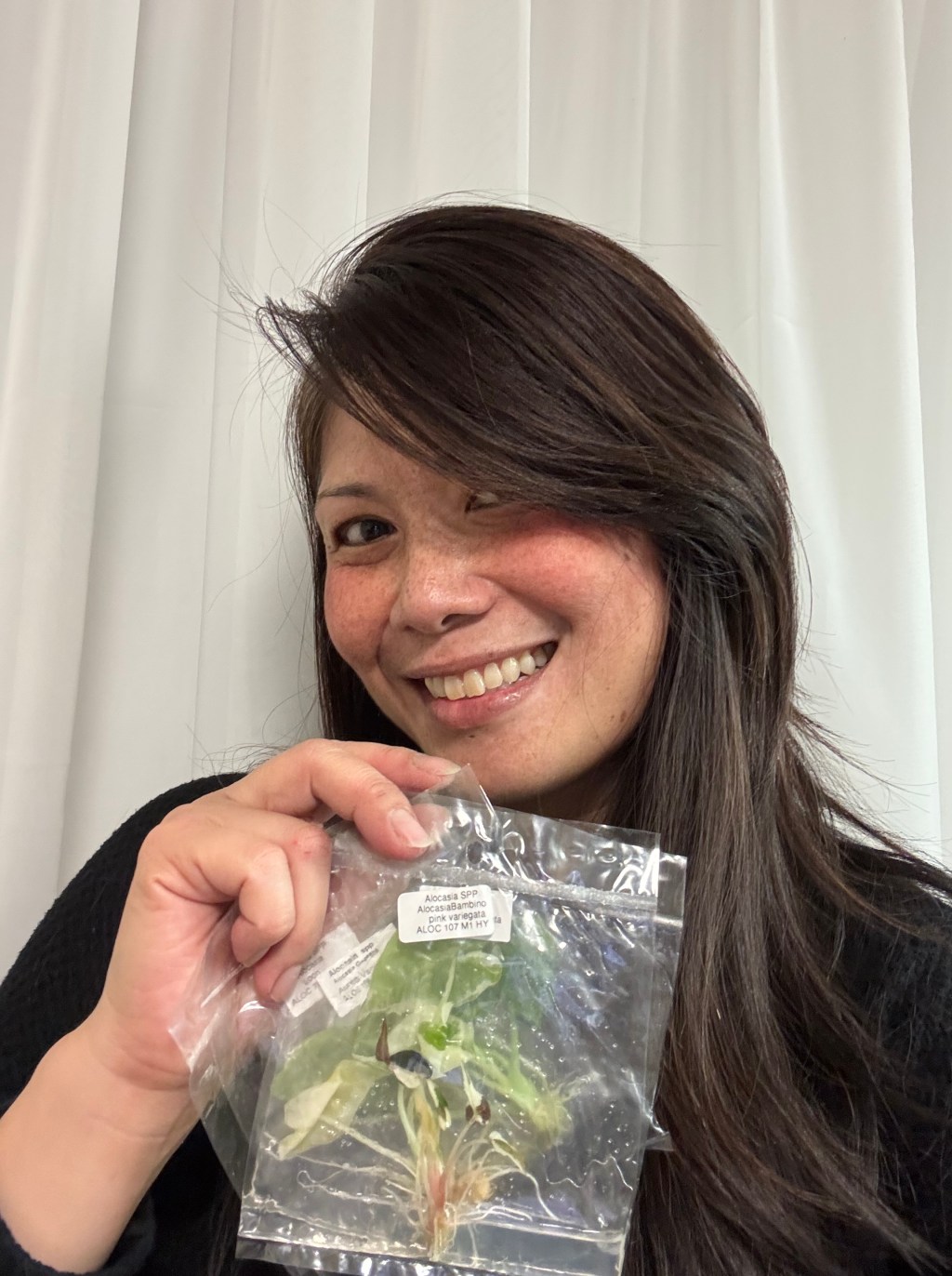

If you’ve spent any time around rare plants lately, you’ve probably heard the term tissue culture—often followed by the assumption that it’s just “cloning in a lab.”
Plant tissue culture is micropropagation, a science-backed method that has been used for decades across multiple industries to propagate plants cleanly, quickly, and at scale. Understanding this distinction matters—not just for growers, but for conservation, food security, and the future of domestic plant production.
Let’s break it down.
What Is Plant Tissue Culture (Micropropagation)?
Plant tissue culture is the practice of growing plants from small sections of actively dividing tissue (meristems) in a sterile laboratory environment. These tissues are placed into nutrient-rich media and guided through developmental stages:
initiation → multiplication → rooting → acclimation.
Unlike cuttings, tissue culture:
- Starts with microscopic meristematic tissue
- Occurs in a sterile, controlled environment
- Produces disease-free, uniform plants
- Preserves genetic integrity when done correctly
This process is known scientifically as micropropagation, not cloning in the conventional sense.
Why Tissue Culture Is Not “Cloning”
The word cloning often implies something synthetic, artificial, or genetically altered. Tissue culture does none of those things.
- No genetic modification occurs
- No DNA is altered
- Plants grow using their natural cellular processes
In fact, tissue culture often reduces genetic drift compared to repeated cuttings, which can accumulate viruses, fungi, and stress-related mutations over time.
Micropropagation is simply precision horticulture.
Orchids: The Industry That Proved Tissue Culture Works
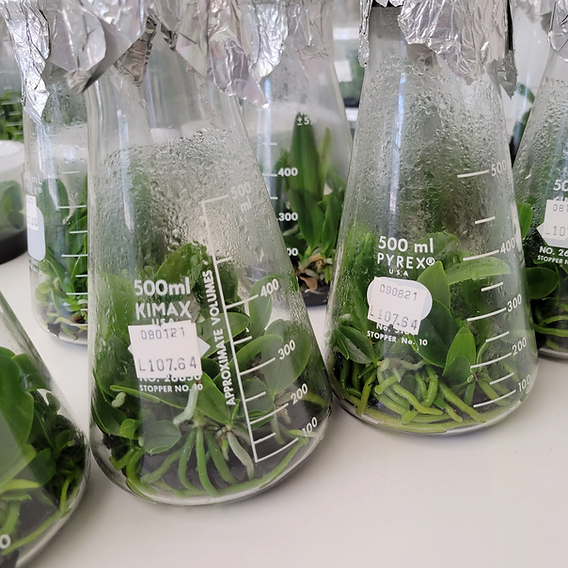
The global orchid industry has relied on tissue culture for over half a century.
Why?
- Orchids grow slowly from seed
- Many species are endangered in the wild
- Demand far exceeds natural propagation rates
Tissue culture made it possible to:
- Preserve rare and endangered orchids
- Make orchids accessible without wild collection
- Supply commercial markets sustainably
Today, nearly every orchid you see in a nursery began its life in a lab flask—not the forest.
Preserving Endangered Plants Through Tissue Culture
One of the most powerful—and least talked about—applications of tissue culture is plant conservation.
At the University of Hawaiʻi, tissue culture labs have played a critical role in preserving native Hawaiian plants threatened by habitat loss, invasive species, and climate change. By banking plant genetics in vitro, researchers can:
- Safeguard species that may disappear in the wild
- Reintroduce plants into restored habitats
- Maintain biodiversity for future generations
Tissue culture allows us to preserve living lineages, not just seeds.
Sterile Starts for the Cannabis Industry
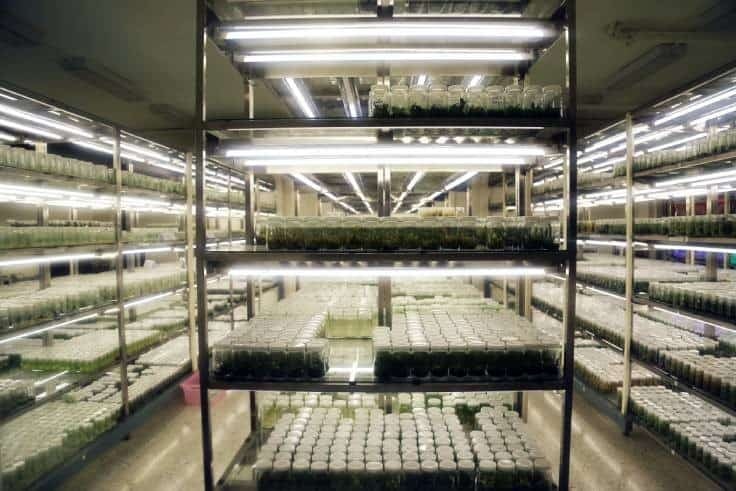

In cannabis cultivation, tissue culture solves one of the industry’s biggest challenges: pathogens.
Tissue-cultured cannabis plants offer:
- Virus-free, fungus-free starts
- Uniform growth and predictable yields
- Reduced crop loss
- Clean mother stock preservation
Because cannabis is propagated vegetatively, diseases compound over time. Micropropagation resets the system—providing clean genetics at scale, especially valuable for licensed growers and breeding programs.
Rapid Feed Production for Livestock
Tissue culture isn’t limited to ornamentals or specialty crops—it’s been quietly transforming agriculture for decades.

Common Tissue-Cultured Feed Crops Include:
- Alfalfa and forage grasses (dairy and beef operations)
- Napier grass / elephant grass (high-protein forage for cattle, sheep, and goats)
- Banana & plantain (used as supplemental feed for cattle and goats)
- Sugarcane (cattle feed and silage)
Micropropagation allows farmers to:
- Produce uniform, high-yield forage quickly
- Establish fields faster after drought or disease
- Maintain consistent nutritional quality
In regions facing climate instability, tissue culture is a food-security tool.
Why Ethical, Domestic Tissue Culture Matters
As interest in rare plants, cannabis, and sustainable agriculture grows, so does the need for transparent, ethical propagation.
Domestic tissue culture hubs:
- Reduce reliance on wild collection
- Protect intellectual property and plant lineage
- Shorten supply chains
- Create local education and workforce opportunities
Micropropagation isn’t the future—it’s the present. And when done responsibly, it benefits growers, ecosystems, and communities alike.
Final Thoughts
Tissue culture is not cloning.
It’s science-driven stewardship.
From orchids to endangered species, cannabis to cattle feed, micropropagation has quietly shaped modern horticulture and agriculture for decades. Understanding this distinction helps us move forward—rooted in ethics, education, and intention.
-Keala


Alocasia Pink Chantrieri Pup bought on Palmstreet from seller @HowdyHey12.
 Violet Pot Designs
Leave a comment